The Royal Crown Hotel: Sevenoaks’ Lost Landmark

For more than a century, few buildings were as familiar to the people of Sevenoaks as the Royal Crown Hotel.

Standing prominently at the top of London Road, its elegant façade, balconies and grand entrance welcomed travellers, hosted celebrations and overlooked the changing life of the town. Stagecoaches gave way to motor cars beneath its windows; generations of local people found employment within its walls; and countless visitors passed through its doors.

Today, nothing remains of the building itself. Yet its story survives in photographs, postcards, diaries, and newspaper reports.

The history of the Royal Crown is, in many ways, the history of Sevenoaks.

A hotel at the heart of the town

The Royal Crown occupied one of the most prominent sites in Sevenoaks. Long before the railway arrived, London Road formed part of the principal route through the town. Coaches travelling between London and the Kent coast passed along the street, bringing businessmen, travellers and visitors into Sevenoaks.

By the Victorian period, the Royal Crown had developed into one of the town’s foremost hotels. Contemporary photographs show a substantial and fashionable building with its distinctive entrance, decorative iron balconies and imposing roofline. It projected confidence and prosperity at a time when Sevenoaks itself was expanding rapidly.

The hotel served visitors as well as local residents. It provided accommodation, dining rooms, meeting rooms and stabling, becoming one of the social and commercial centres of the town. The Royal Crown was not simply somewhere to spend the night. It hosted dinners, dances, public meetings, club events and civic functions. Travellers arrived from London, commercial representatives stayed overnight, and local societies gathered beneath its roof and dances were held in its impressive ballroom.

Its position also meant that many of the great changes in Sevenoaks unfolded directly outside its front door.
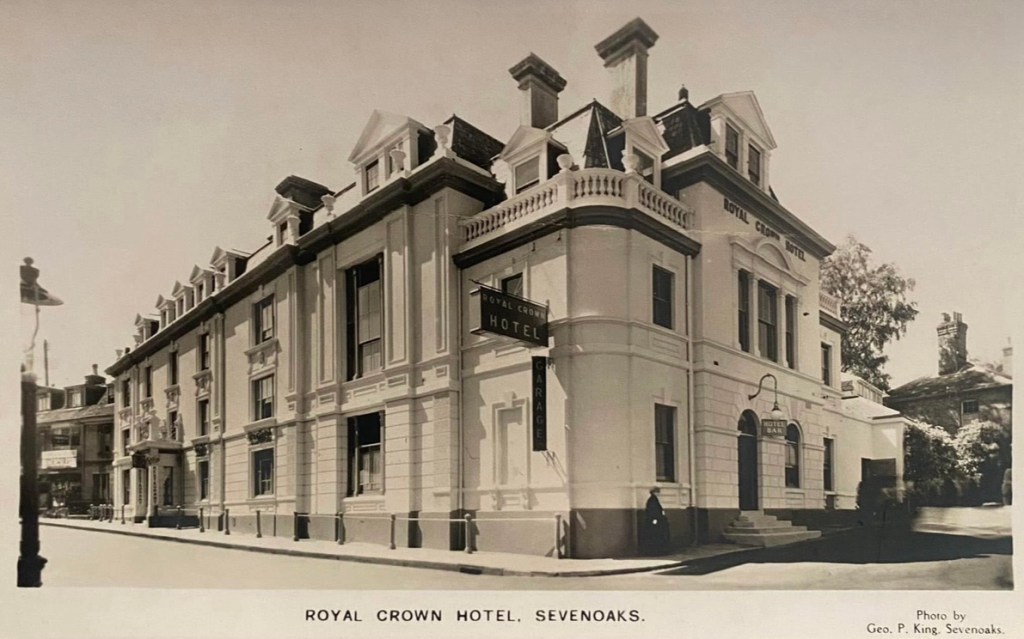
The Royal Crown Hotel, photographed by George King

For much of the nineteenth century the street was dominated by horses, coaches and carts. By the early twentieth century those familiar sights were gradually replaced by bicycles, motor cars and buses. Few buildings witnessed the town’s transformation more closely.

The Sevenoaks Chronicle reported on the opening of the Sevenoaks railway line in the 1860s that “After a minute inspection of the line the company partook of a cold collation at the Royal Crown Here Sevenoaks, where Lord Amherst presided and in proposing the directors of the London, Chatham, and Dover Company, said he had for years tried to brave this part of the country placed in communication with the metropolis and the great, lines of railway, and at last the London, Chatham, and Dover Company had enabled the directors of the Sevenoaks Company, to open this line.”

The people behind the hotel

One of the most revealing photographs to survive shows the hotel staff assembled outside the main entrance beneath the words Royal Crown Hotel.
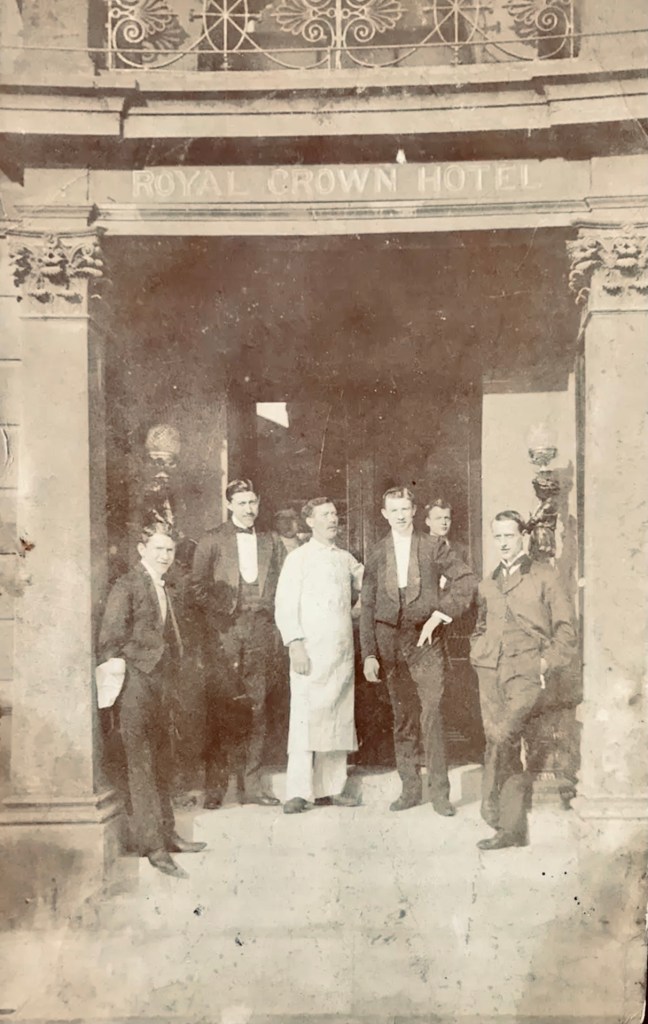
Staff gather on the steps of the hotel entrance

The image captures a range of staff posing informally for the camera. A chef, wearing his white apron, occupies the centre of the group, while formally dressed waiters stand alongside younger members of staff. It reminds us that a grand hotel like this depended upon a surprisingly large workforce. Behind the elegant dining rooms were kitchens, cellars, laundry rooms and stores, all requiring skilled staff.

In its heyday the Royal Crown probably employed dozens of local people. Nor were these the only workers connected with the hotel. Coachmen, ostlers, stable hands, gardeners, maintenance workers and cleaners all contributed to its smooth operation. The grounds, including a kitchen garden, stretched for 12 acres, giving a view toward Ide Hill.
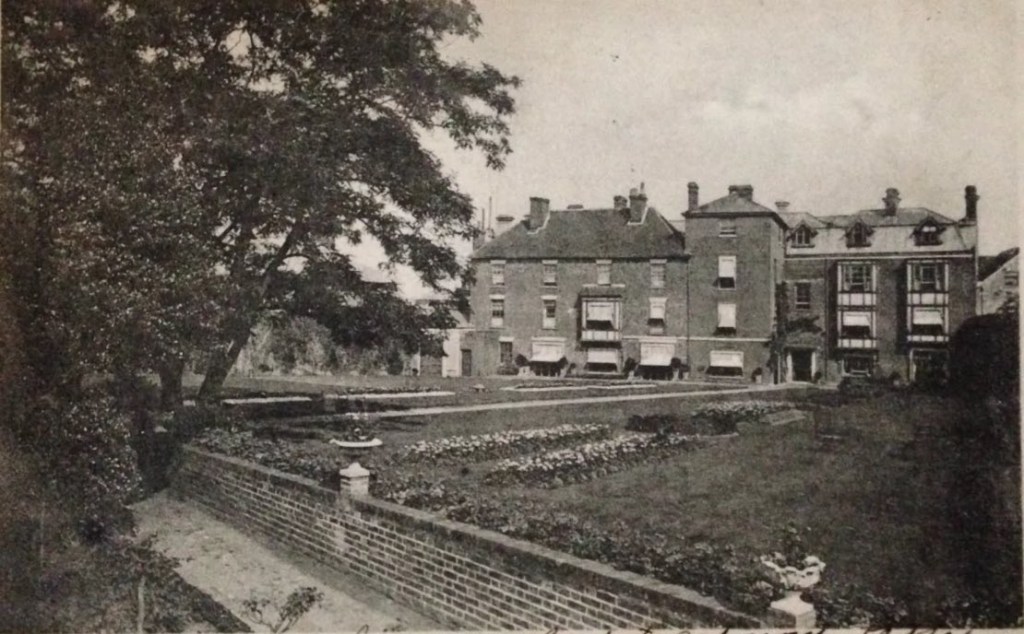
The gardens at the rear of the hotel

For many Sevenoaks families, the Royal Crown was not merely a landmark but a place of work.

Remembering Victorian Sevenoaks

One of the most valuable surviving descriptions of the town comes from Walter John Holbrook. When Holbrook retired after more than sixty years with nearby Outram’s harness makers, the Sevenoaks Chronicle interviewed him about the Sevenoaks he had known as a young apprentice. He described unmade roads, hundreds of horse-drawn vehicles and a town where the sound of hooves echoed through the streets from morning until night.

His memories place the Royal Crown firmly at the centre of this world. Coaches regularly called outside the hotel, bringing passengers and changing horses before continuing their journeys. Holbrook also remembered the arrival of one of the first motor cars to visit Sevenoaks. It appeared outside the Royal Crown and caused quite a sensation among local people accustomed only to horse-drawn transport.

Within a generation, those motor cars would replace the coaches altogether. A photograph from the early twentieth century show motor vehicles replacing horses outside the hotel.
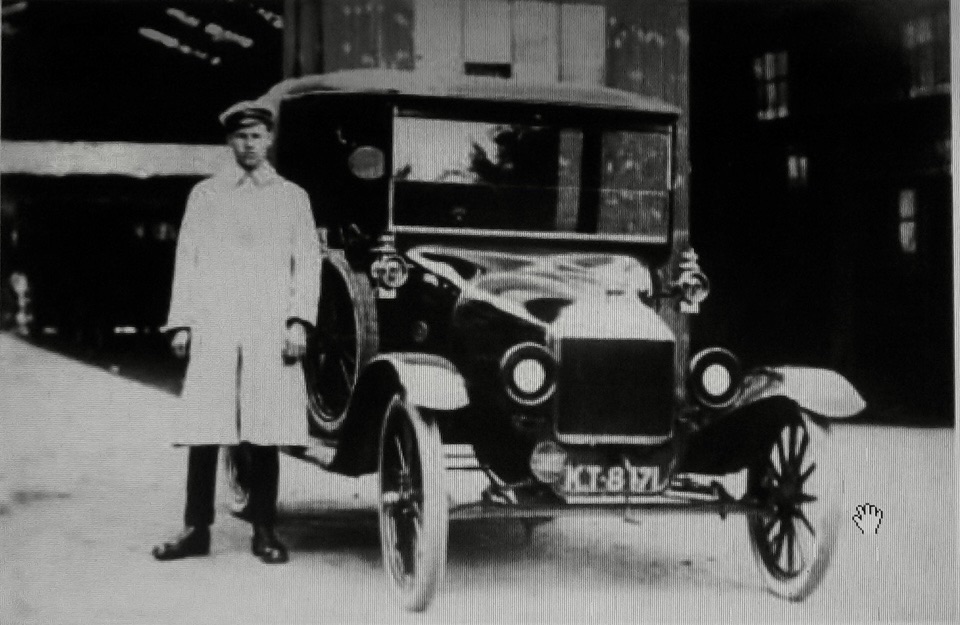
A wartime Ford with English all-wear coachwork. The lamps are partially blacked out for war time. The car had a “Hackney Carriage” plate beside the number plate and was registered to George Marshall at the Royal Crown Hotel, Sevenoaks

One particularly interesting image records an early Ford carrying Hackney Carriage registration, registered to George Marshall at the Royal Crown Hotel. It illustrates how the hotel embraced the new age of motoring while retaining its traditional role as a stopping place for travellers. The Royal Crown successfully bridged two very different eras of transport.

A social institution

Many local people remembered the hotel for its social life. One surviving photograph records a staff fancy dress party held during the inter-war years. Dozens of employees pose together beneath balloons and bunting in elaborate costumes, creating a snapshot of working life that survives long after the building itself has disappeared and the Sevenoaks Chronicle preserved many personal recollections of the hotel.

Kathleen Lee, recalling her childhood, remembered the Royal Crown as one of the defining buildings of the town. She described dances held there and remembered the actress Ellen Terry visiting the hotel, illustrating its importance not only to local residents but to distinguished visitors.

Such recollections are valuable precisely because they capture ordinary experience rather than official history of people who celebrated, worked, danced and met there.
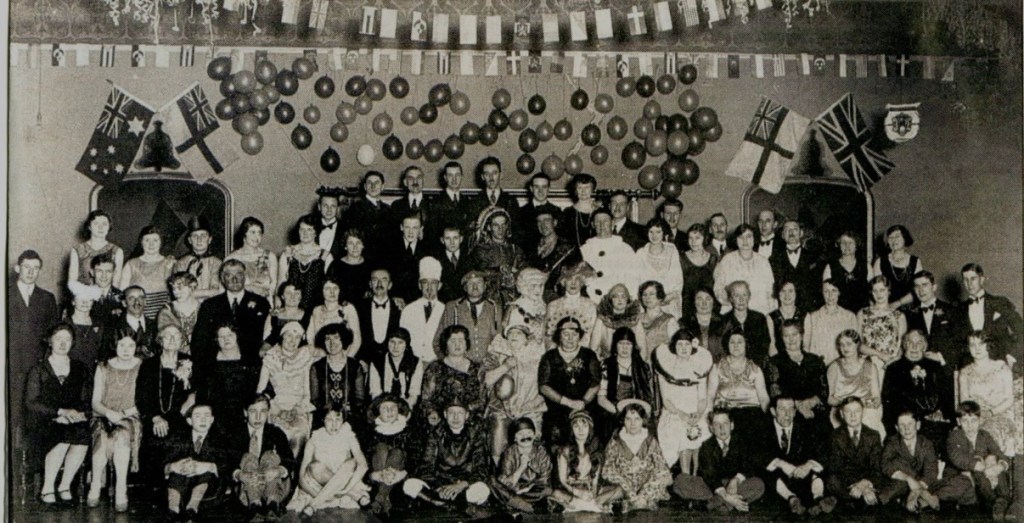
Staff at the Royal Crown gather for a group photograph

The photograph has also allowed some of the people in it to be identified. When the image was reproduced some years later in the Sevenoaks Chronicle, Mrs E. R. Browning of Otford, who had herself appeared in the photograph, was able to put names to many of the faces. Among those she identified were Maurice Van Loo, a popular waiter, and Henry Jones, a head waiter and the master of ceremonies at the dance. Other members of the group included Miss Aspin, who ran Johnson’s music shop and whose sister was a receptionist and secretary at the hotel; Miss Marjorie Stribling; Miss Queenie Stribling, who later worked as a cinema cashier; and Miss Naylor, the daughter of a High Street butcher. Mrs Browning’s own brother Alf worked as a mechanic at the Royal Crown Garage, while another brother, Frank, later served as a Royal Marine throughout the Second World War.

The photograph also reveals just how many different roles lay behind the smooth running of the hotel. Mrs Browning recalled Mrs Adams as the manageress, Mrs Leftley as the woman responsible for the hotel’s flowers and linen, Mrs Phillips as the French cook and another woman, known as “Snowey”, as a waitress. Walter was remembered as a kitchen hand, while other people in the photograph included tradesmen and members of local families.

Maurice Van Loo, standing far left, was particularly memorable: a later recollection described him as a Belgian who came to Sevenoaks between the wars to work as a waiter at the Royal Crown. He was remembered decades later by a local resident, who recalled his Belgian bicycle and the stories he carried from his wartime service during the Great War. These recollections help bring to life the diverse stories and backgrounds of the local people who kept a hotel of this size and splendour running.

The last resident

Like many grand hotels, the Royal Crown struggled to adapt to post-war Britain. Changing travel patterns, rising maintenance costs and the decline of traditional coaching hotels gradually undermined its role.

One newspaper report in the 1930s announced the departure of the hotel’s final permanent resident, Mrs Mackinnon, who had lived there for several years, before uncertainty surrounding the hotel’s impending closure caused her to move into a house in Pembroke Road.
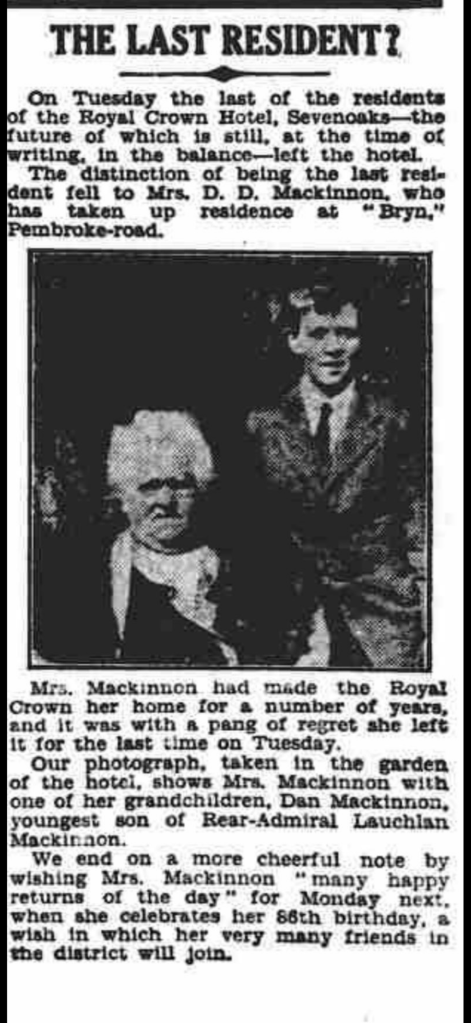
The Sevenoaks Chronicle reports the last permanent resident of the hotel leaving for Pembroke Road

The article described her leaving “with a pang of regret”, an understated phrase that probably captured the feelings of many local people watching a familiar landmark disappear.

It marked the closing chapter of a building that had served Sevenoaks for generations.

Demolition and loss

The demolition of the Royal Crown removed one of the finest Victorian buildings in Sevenoaks.

Looking at surviving photographs today, it is difficult not to wonder whether such a building would have been preserved had it survived a few decades longer. With the more recent closure of The Royal Oak Hotel, the town lost its final hotel of significance and the modern visitor is left only with a modern chain at the foot of Mount Harry Road.
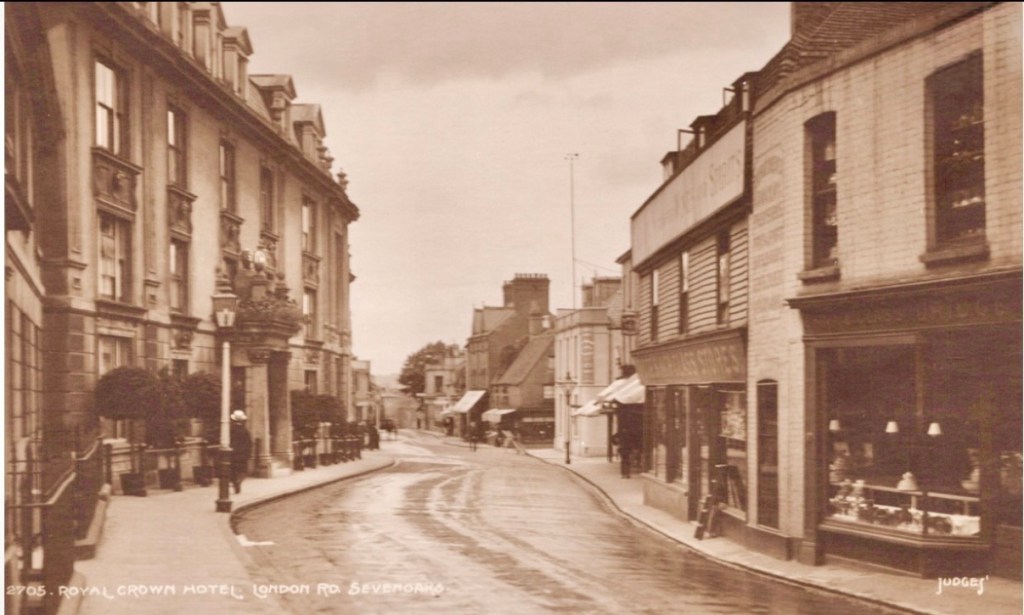
The Royal Crown seen from another direction facing down London Road, with Uridge’s Stories opposite

The architectural quality of The Royal Crown, its commanding position and historical associations would undoubtedly attract far greater appreciation today. Yet, like so many buildings lost during the mid-twentieth century, it disappeared before our attitudes towards conservation changed.

If you enjoy these posts and would like to support Sevenoaks History Hub and help keep the research going, you can buy me a coffee

Sources and Further Reading

This article has been compiled from a range of contemporary newspapers, postcards, photographs, local directories and published sources, including:

  • Matthew Ball, Sevenoaks, Riverhead & Seal in Old Photos and Postcards (2023).
  • Sevenoaks Chronicle (various editions, including interviews with former projectionists, 1991).
  • David Killingray & Elizabeth Purves, Sevenoaks: An Historical Dictionary (2012).
  • Personal postcard and photograph collection.

Copyright

The images reproduced here remain the copyright of their respective owners or are believed to be out of copyright. Where images are from my own collection, please credit Sevenoaks History Hub if they are reused.

The text of this article is © Sevenoaks History Hub. Please don’t reproduce it in full without permission. You’re very welcome to quote short extracts with appropriate attribution and a link back to the original article.
Going to the Pictures: Remembering Sevenoaks’ Lost Cinemas

Today, only the Stag Theatre reminds us that Sevenoaks was once a thriving cinema town. Yet for much of the twentieth century, going “to the pictures” was one of the town’s favourite pastimes. Before television, streaming and even widespread radio ownership, thousands of local people escaped into the magic of the cinema each week.

At its peak, Sevenoaks had four cinemas serving a town that was much smaller than it is today. Each had its own character, loyal customers and stories, but all have now disappeared or found new lives.

Frank Robinson’s Vision

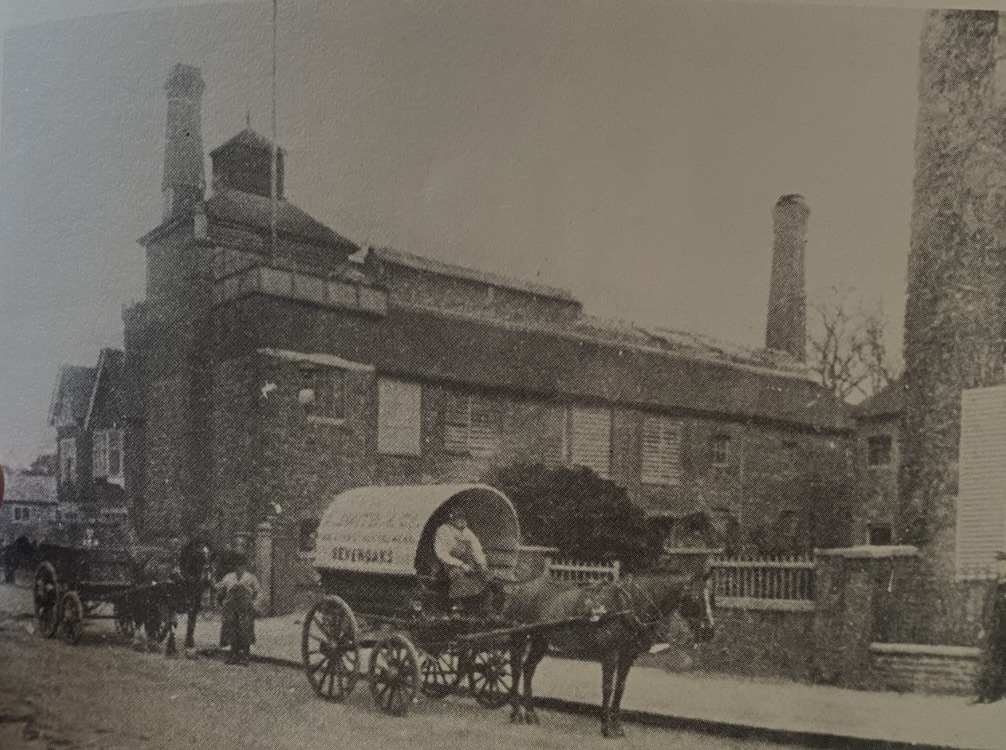
The story begins with local hotelier and councillor Frank Robinson, proprietor of the Royal Oak Hotel. Recognising the enormous potential of moving pictures, Robinson converted part of the former Smiths Brewery in the High Street into the Cinema Electric Theatre. Films were being shown there from 1910, marking the beginning of more than half a century of cinema on the site.

The old Smith’s Brewery on the High Street, which became the site of the town’s first cinema

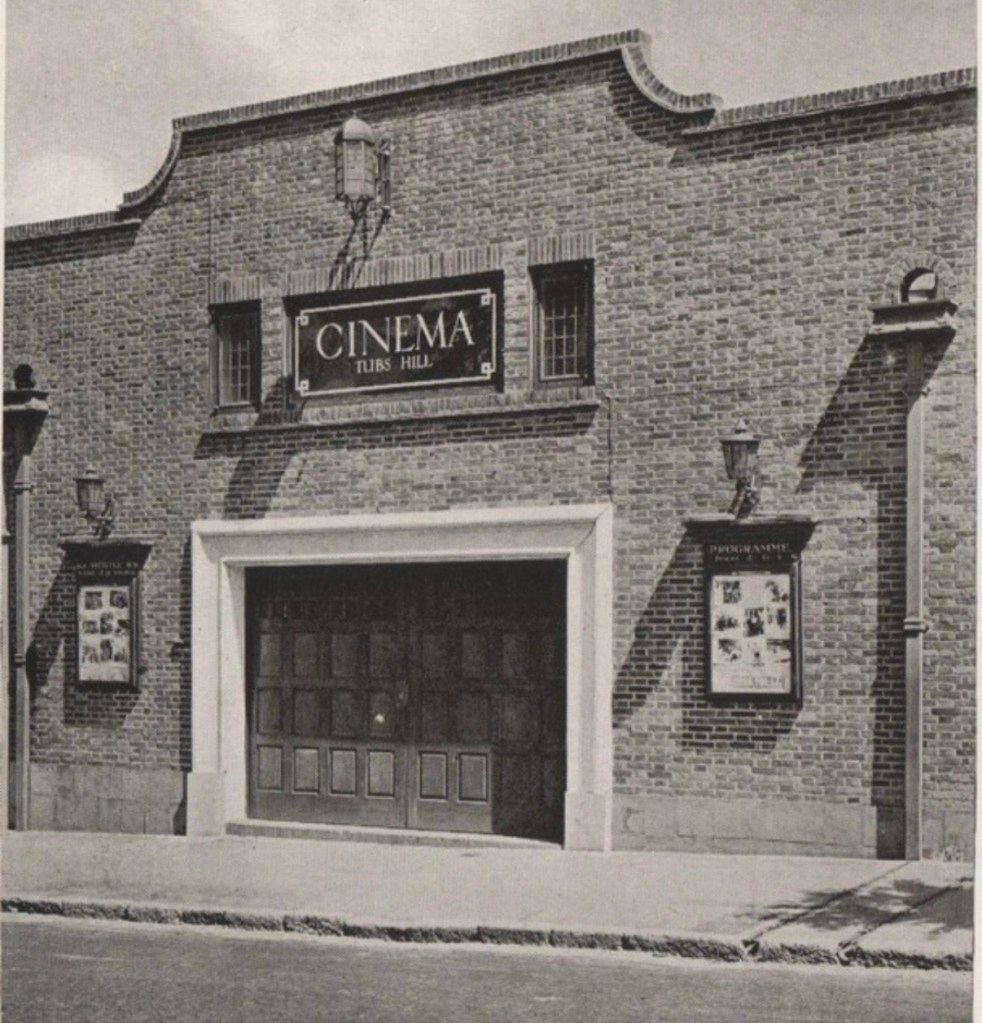
Over the following decades the town developed an impressive choice of picture houses. Alongside the Electric, which later became the Plaza and then the Granada, there was the Palace Cinema at Tubs Hill, the Majestic on London Road (later the Odeon and today’s Stag Theatre), and the Carlton on St John’s Hill.

The Tubs Hill cinema

By the late 1940s, a town the size of Sevenoaks could boast four cinemas, each serving its own neighbourhood and together offering an extraordinary variety of films and entertainment.

The former Electric Cinema after its refurbishment. It stood opposite Pembroke Road

The Electric was among the earliest purpose-built cinemas in the district and reflected the extraordinary popularity of this new form of entertainment. It was run for four years by Herbert Lethebe, nephew of owner Cllr Frank Robinson. Herbert was also the captain of Sevenoaks football team. He died during the Great War in September 1918.

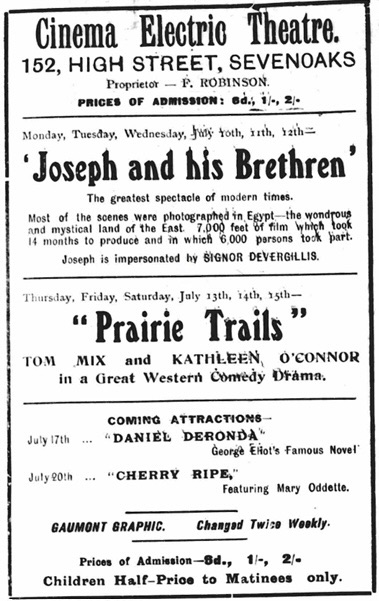
Advert for the Electric Cinema programme from the Sevenoaks Chronicle 7 July 1922

By the mid-1920s cinema technology and public expectations had moved on. The original building was remodelled in 1926 before being completely rebuilt in 1935. The impressive new cinema was officially opened by Lord Sackville and later became familiar to generations of Sevenoaks residents as the Plaza and eventually the Granada.

Following Frank Robinson’s death in 1929, the business remained in family hands under his son Richard.

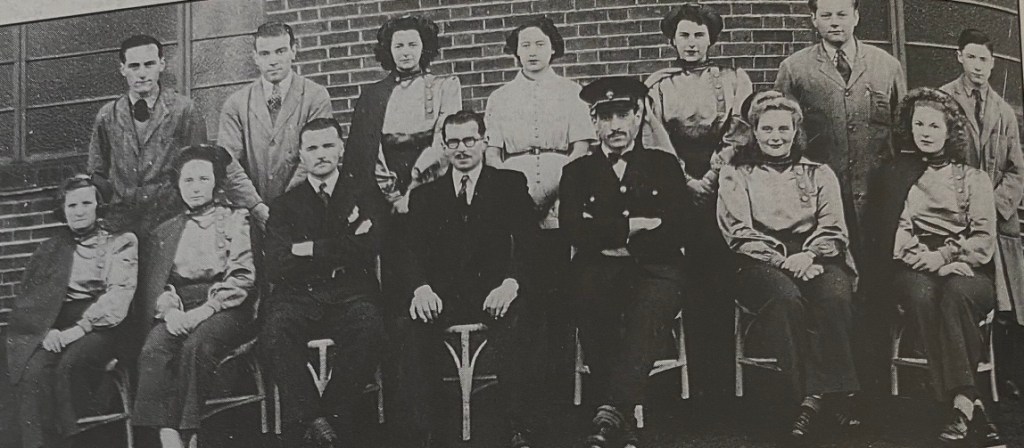
Staff of the Plaza pictured in the 1940s

Sadly, the building itself did not survive. It was demolished during the redevelopment that created Suffolk Way, leaving little physical trace of what had once been one of the town’s best-loved entertainment venues.

The Majestic becomes the Odeon

The town’s second great cinema story belongs to the Majestic on London Road.

Opened in 1936 with the film When Knights Were Bold, it represented the latest generation of cinema design. In 1943 it joined the expanding Odeon chain, becoming the Odeon Cinema that many local people still remember.

A remarkable photograph taken on VE Day in 1945 shows the cinema staff assembled outside beneath bunting and patriotic decorations celebrating the Allied victory.

Another surviving image captures the impressive entrance hall with its twin staircases leading to the café, circle and balcony—a reminder that a visit to the cinema was an occasion in itself.

Staff gather outside the Odeon on VE Day

The building survives today as the Stag Theatre, making it the only one of Sevenoaks’ historic cinema buildings still fulfilling its original purpose of entertaining audiences.

Life behind the projector

Some of the richest memories come from the men who worked behind the scenes.

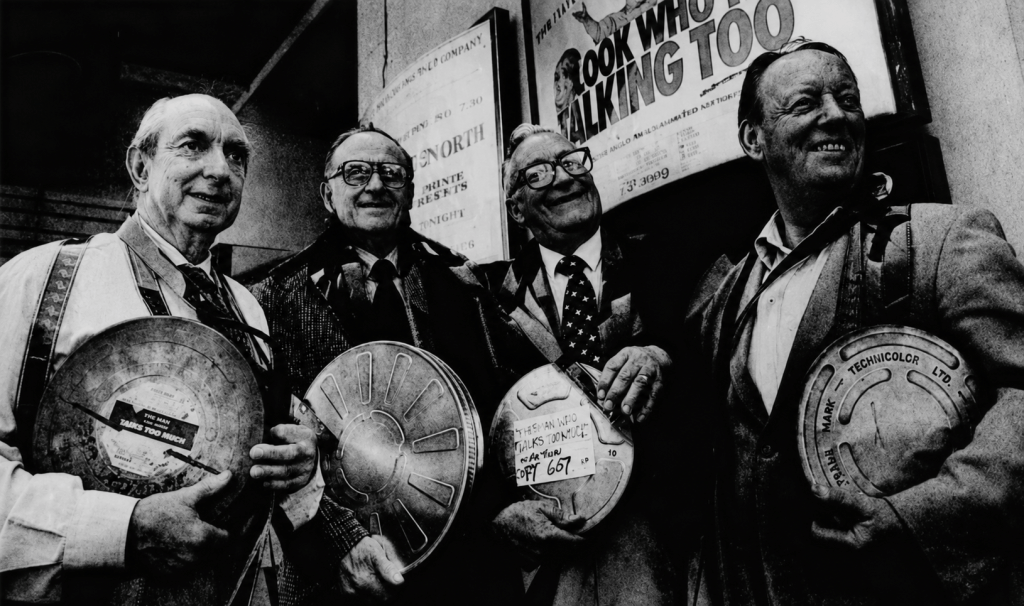
In 1991, the Sevenoaks Chronicle reunited four veteran projectionists—Douglas Julyan, Tom Barnes, Don Knight and Dave Hodges—whose combined careers stretched back to the late 1930s and early 1940s.

Together they represented the last living link with Sevenoaks’ vanished cinemas.

All had started at the bottom as rewind boys, responsible for rewinding film reels after each showing, inspecting them for damage and carefully repairing any breaks before the next performance.

At the time there were three cinemas operating in Sevenoaks, offering as many as eighteen different films in a single week. As one projectionist recalled, you could quite literally go to the pictures every evening and see a different programme.

Don Knight began work at the Plaza in 1939.

“It was hard work,” he remembered. “All I did was rewind films and polish them off. I wasn’t allowed to touch the projectors for a while.”

Eventually opportunity came unexpectedly. When the chief projectionist was suddenly called away, Don found himself running an entire programme alone.

In fact, the chief projectionist was called away on purpose so that Don might show his skills.

He knew nothing of the ploy untl the following Monday when he was called in to see the Manager. “I was promoted to the Majestic.” said Don.

Dave Hodges was 15 years old when he began work as a re-wind boy at the Carlton Cinema on St John’s Hill, in 1941.

He worked his way up to the position of second projectionist before his call-up in 1946. The Carlton, which opened in 1935, closed twenty years later in 1954.

Douglas Julyan began working at the Plaza in 1941, earning just £2.10 a week at the age of fourteen.

Left to right, Don Knight.
Douglas Julyan, Tom Barnes and Dave Hodges

He remembered projection rooms filled with cigarette smoke.

“If there was a full house there was so much cigarette smoke it was like a fog,” he recalled. “The image projected on the screen appeared light brown.”

Despite the hard work, all four men spoke fondly of those years.

“There was a better atmosphere in those days,” Douglas reflected. “Films were made for entertainment, not commercialism.”

A different world

The cinemas themselves were very different places from those we know today.

The Plaza boasted a magnificent Compton organ which rose dramatically through the stage before performances. Local organist Vic Trivass regularly entertained audiences, while visiting performers appeared between films.

The cinema even had its own restaurant overlooking the High Street, staffed by waitresses, cooks and cashiers. Uniformed attendants in smart blue outfits with gold braid greeted customers as they arrived.

Performances ran continuously from lunchtime until around eleven o’clock at night.

Even during the Second World War the cinemas rarely closed. During air raids, red warning lights would illuminate the words “Air Raid”, while a flashing green light signalled that the all-clear had been given. Remarkably, many filmgoers preferred to remain in their seats rather than leave the building.

Sevenoaks’ changing cinema audience

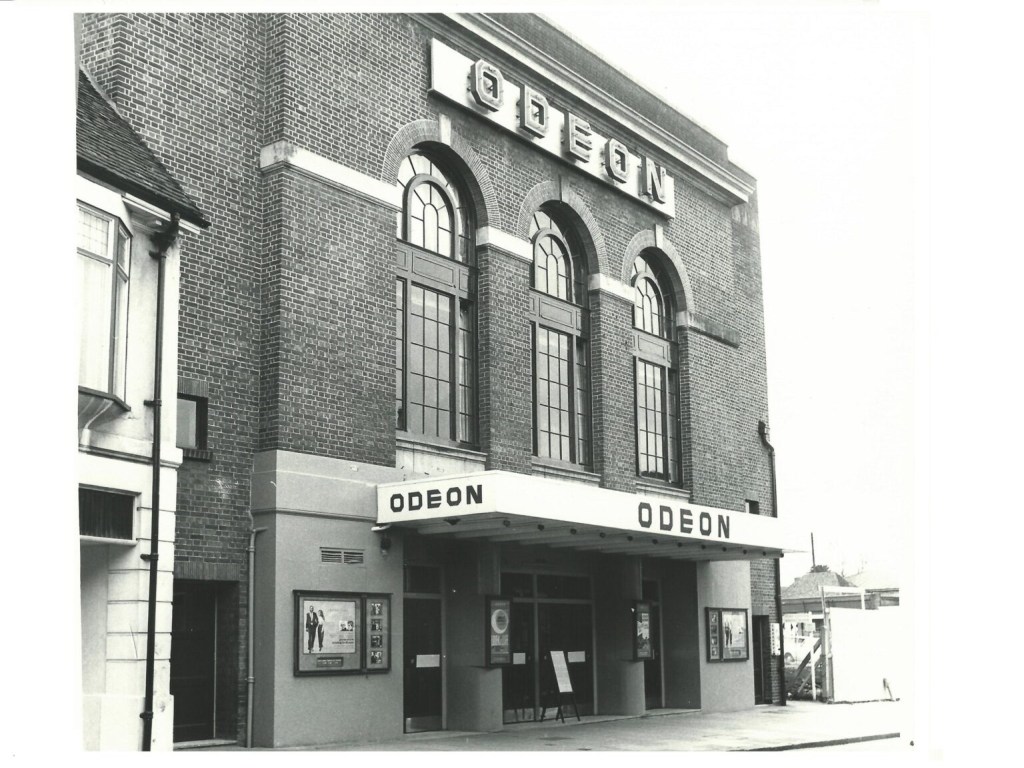
A later incarnation of the Odeon

By the late 1970s, cinema-going had changed considerably. The former Majestic—by then the Odeon and later Focus Cinemas—was competing not only with television, but with changing lifestyles and audiences. Yet the cinema remained an important part of the town’s social life.

The cinema’s manager, John Watson, observed that Sevenoaks had become “a very mixed community”, describing a distinction between the more affluent “executive” and “county” residents living “at the top of the hill” and other residents at the bottom. Reflecting on who actually came through the cinema doors each week, he concluded that “we draw the greater majority of our patronage from the ‘others’ half of the Sevenoaks populace.”

His weekly reports also reveal that Sevenoaks was very much regarded as a family town. Disney films and school holiday programmes consistently attracted the largest audiences, while staff organised children’s competitions, worked closely with the Sevenoaks Chronicle and even staged a local Star Wars painting competition to encourage families into the cinema. It was a reminder that the cinema remained far more than simply somewhere to watch a film—it was still a focal point of community life.

The Stag theatre as it looks today

The building would later become the Ace Cinema before being saved as The Stag Theatre, which has placed itself at the heart of the community, embodying many of the values described by the old projectionists. For decades, the cinemas of Sevenoaks were places where neighbours met, friendships were formed and generations of local people shared memorable experiences together.

Remembering Sevenoaks’ cinemas

Today, most traces of Sevenoaks’ lost cinemas have disappeared beneath modern development or altered beyond recognition.

Yet photographs, postcards and the memories of those who worked there remind us how important they once were—not simply as places to watch films, but as social centres where first dates began, families spent evenings together, children marvelled at Hollywood adventures and communities gathered during wartime and peace alike.

Like so much of Sevenoaks’ history, these buildings have vanished, but their stories survive through the memories of local people.

If you remember any of Sevenoaks’ cinemas, or have photographs, tickets, programmes or family stories to share, I’d love to hear from you. Every memory helps preserve another small piece of our town’s history.

If you enjoy these posts and would like to support Sevenoaks History Hub and help keep the research going, you can buy me a coffee

Sources and Further Reading

This article has been compiled from a range of contemporary newspapers, postcards, photographs, local directories and published sources, including:

  • Matthew Ball, Sevenoaks, Riverhead & Seal in Old Photos and Postcards (2023).
  • Sevenoaks Chronicle (various editions, including interviews with former projectionists, 1991).
  • David Killingray & Elizabeth Purves, Sevenoaks: An Historical Dictionary (2012).
  • John C. Watson, A Case Study of Cinema Management: The Focus Cinema, Sevenoaks (University dissertation, 1979).
  • The Stag Sevenoaks – History of the Theatre: https://stagsevenoaks.co.uk/history/
  • Personal postcard and photograph collection.

Copyright

The images reproduced here remain the copyright of their respective owners or are believed to be out of copyright. Where images are from my own collection, please credit Sevenoaks History Hub if they are reused.

The text of this article is © Sevenoaks History Hub. Please don’t reproduce it in full without permission. You’re very welcome to quote short extracts with appropriate attribution and a link back to the original article.

Ernest Fielder: Photographing Sevenoaks

If you’ve followed Sevenoaks History Hub for a while, you may have noticed that quite a few of the old black-and-white photographs and postcards I share have something in common.

Whether it’s Greatness Lane, the High Street, St John’s Hill, Knole or one of Sevenoaks’ quieter corners, the same name often appears on the front or back of the card:

E. Fielder, Sevenoaks.

Ernest Fielder was a professional photographer based at 121 St John’s Hill. Before the First World War he was already employed as an assistant photographer. He enlisted in the Royal West Kent Regiment in November 1916, was mobilised the following year and served in France from 1918, where his service record shows he was wounded in action.

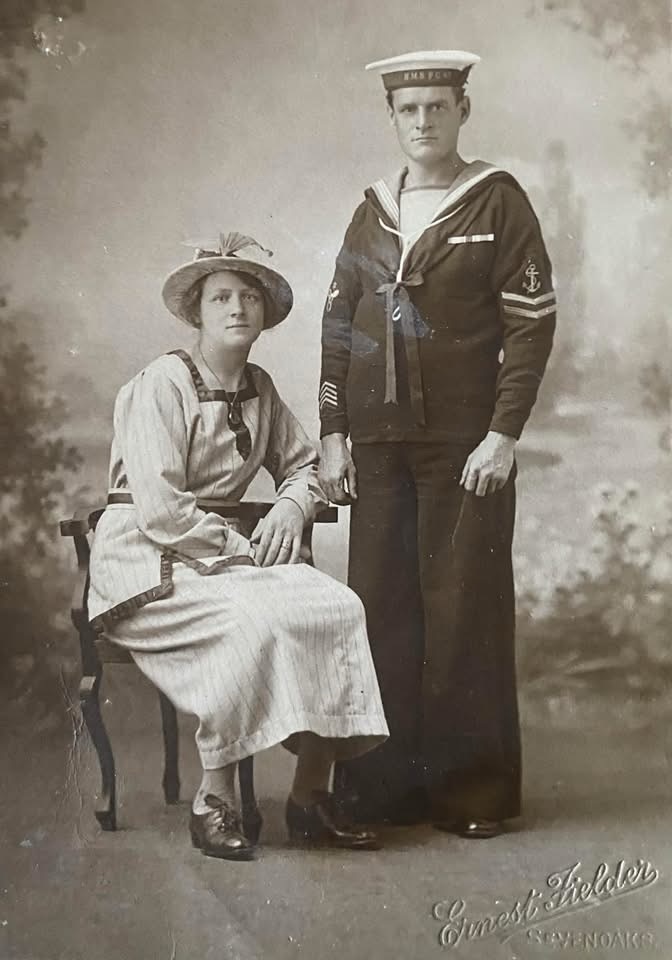
The studio took photographs of other local men serving, including this one of Thomas ‘Tom’ Porter who served on HMS Arethusa. The Fielder mark can be seen in the bottom right of the image.

Stoker Tom Porter and his wife, Cis

After the war he returned to Sevenoaks and built the photographic business for which he is now remembered.

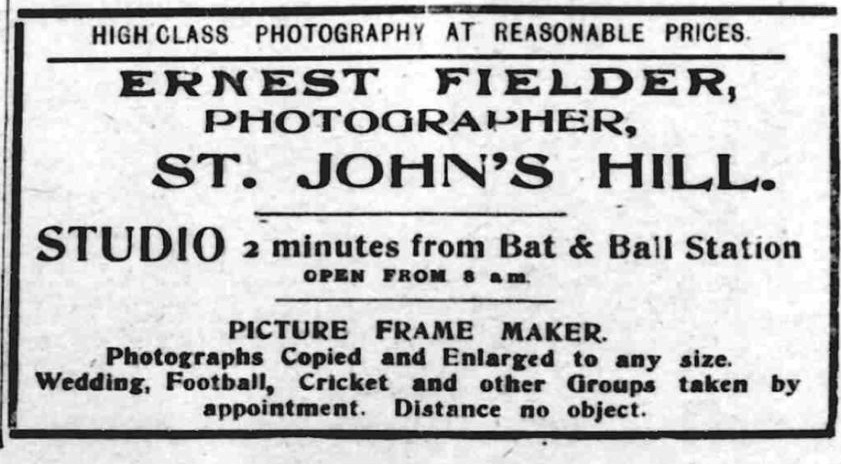
Advertisement in the Sevenoaks Chronicle, June 1920

By June 1920 he was advertising his services in the Sevenoaks Chronicle. As well as portrait photography, he offered wedding photographs, football and cricket team pictures, enlargements, copying old photographs and picture framing. His studio was only a couple of minutes from Bat & Ball station and his advertisement ended with the confident line: “Distance no object.”

The 1921 Census records Ernest as a self-employed photographer, while the 1939 Register describes his occupation as “Photographer – Portrait, Commercial and Retail.” Photography wasn’t simply something he enjoyed doing; it was his livelihood for decades.

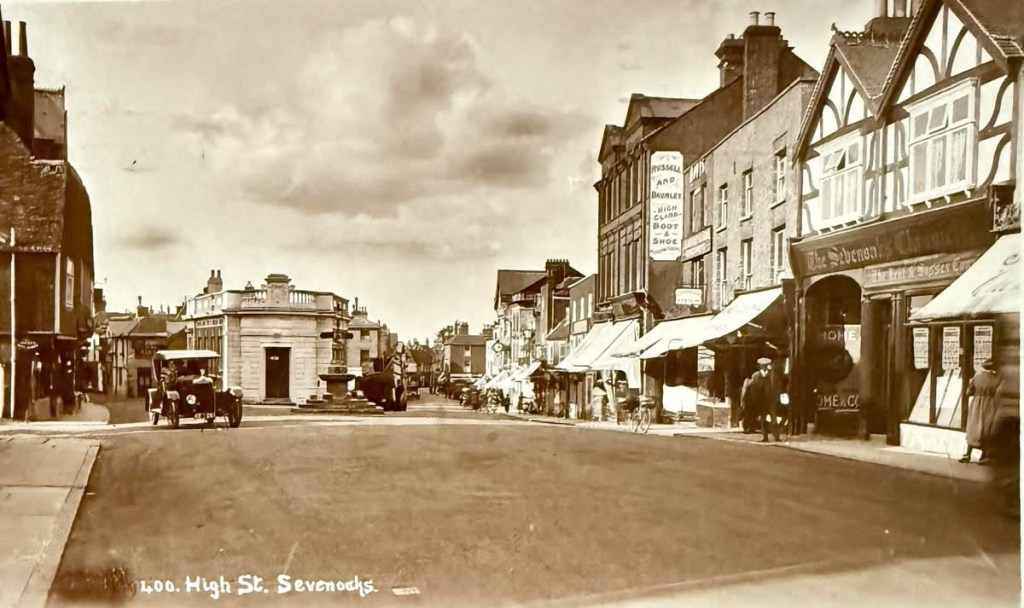
Many of the postcards he produced carry the simple imprint “By E. Fielder, Sevenoaks, Kent”, leaving little doubt that he was the photographer as well as the publisher. Looking through them, it’s clear he wasn’t interested only in landmark buildings like Knole, or special occasions. He photographed the places that made up everyday Sevenoaks – the High Street, Greatness, St John’s Hill, schools, churches and countless ordinary streets that people walked every day without giving them much thought.

The High Street with the Chronicle Office on the right

It’s those ordinary scenes that have become the most valuable. A hundred years later they show us buildings that have disappeared, roads before they were widened, open spaces now built over and a town that was changing but still recognisably Sevenoaks.

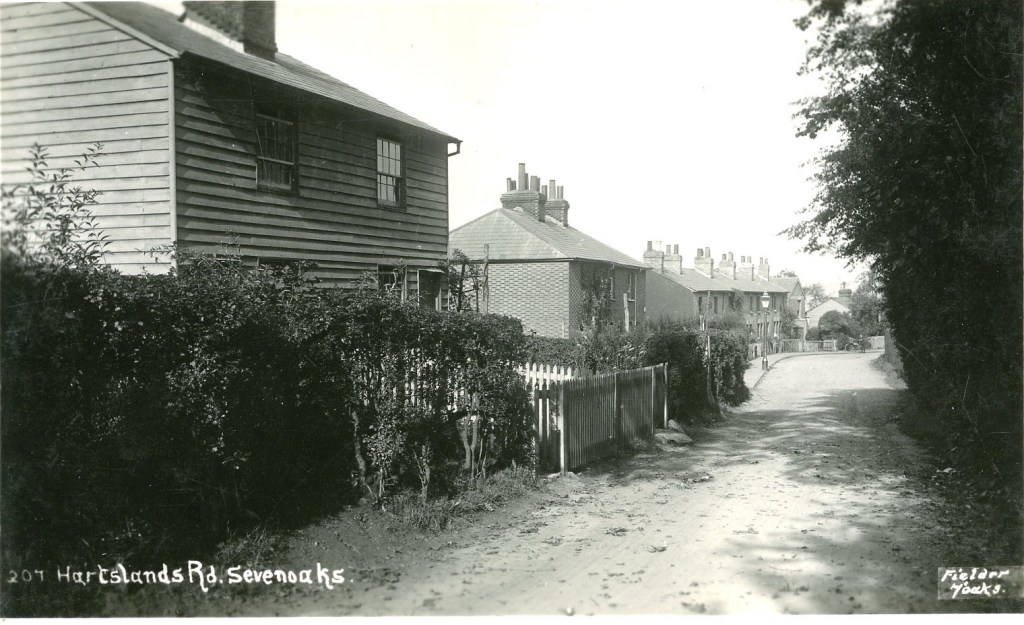
Hartslands Road

One thing that has particularly struck me while researching Ernest is the number of different views that survive. Many are individually numbered, suggesting he built up a substantial catalogue over many years. I suspect (hope!) that there are still plenty waiting to be rediscovered in family albums, old postcard collections and forgotten boxes in lofts.

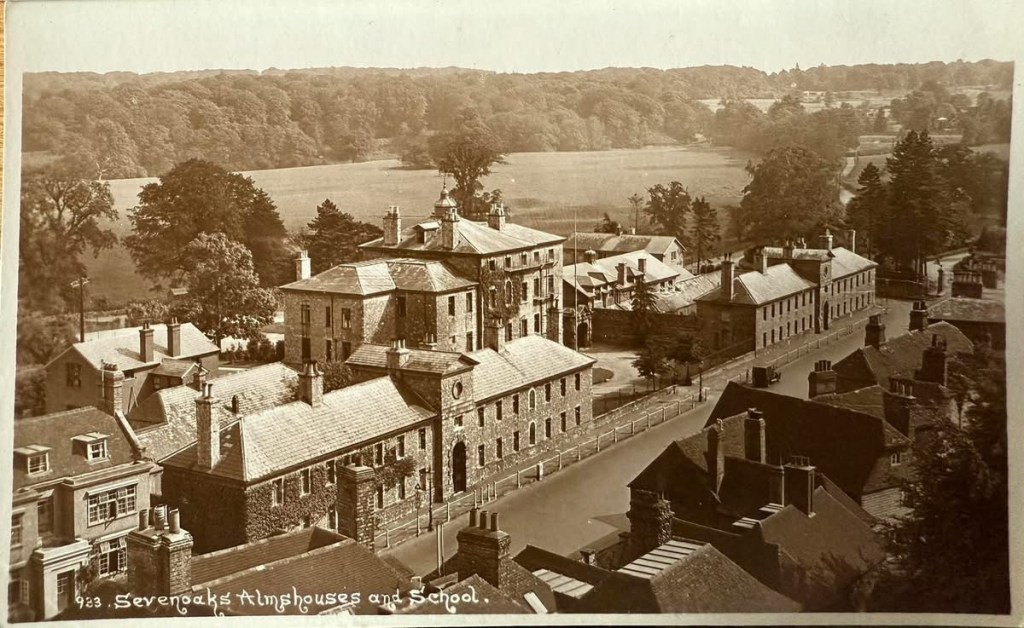
Sevenoaks School and the almshouses, taken from the tower of St Nicholas church

Ernest Fielder wasn’t a household name beyond his own town but his photographs have quietly become part of Sevenoaks’ visual history. Without them, our understanding of how the town looked during the first half of the twentieth century would be much poorer.

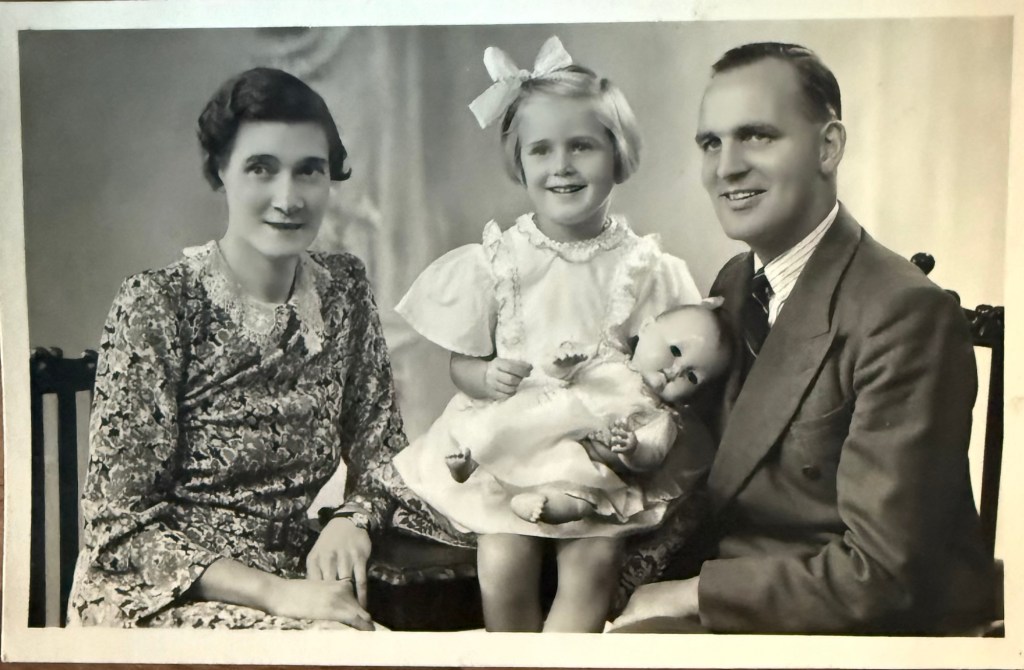
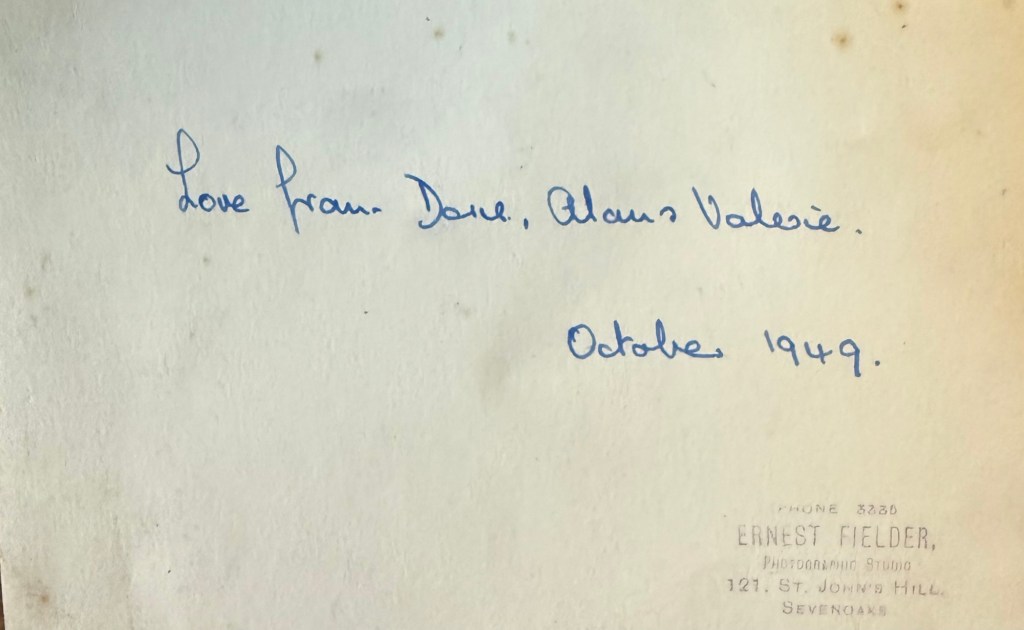
This family portrait features Doris, Alan and Valerie. Taken at 121, St John’s Hill in October 1949

Ernest died in 1969 aged seventy and the Sevenoaks Chronicle printed an obituary:

Mr. Fielder was born in Sevenoaks and was a pupil at Bayham Road School. He and his two brothers joined in a photographic business which still thrives at the foot of St. John’s Hill.

He was apprenticed to the trade and over the years he and his brother became widely known for the excellence of their work and especially their printing for amateurs.

Mr. Fielder was a devout churchman. He was active at the Methodist Church near his home for many years and became church secretary and superintendent of the Sunday School. But in later years he returned to his original church to become a member of the Baptist congregation.

He served throughout the 1914–18 War and was slightly gassed. Although this affected him in later life at times he was noted for his quiet good humour.

Mr. Fielder attended the funeral of an old acquaintance on Friday and it was while in the church that he collapsed and died. He leaves a wife and son.

Please do let me know if you have any photos or postcards by Ernest and any stories or memories about his shop, especially a photo of Ernest himself. I would love to build up a more complete archive of his work.

If you’d like to support Sevenoaks History Hub and help keep the research going, you can buy me a coffee


Sources

This article is based on the 1921 Census, the 1939 Register, First World War service records, contemporary advertisements in the Sevenoaks Chronicle, and surviving Ernest Fielder postcards and photographs from my private collection.

The images reproduced here are out of copyright. If you reuse them, I’d appreciate a credit to Ernest Fielder and Sevenoaks History Hub. The text of this article is © Sevenoaks History Hub. Please don’t reproduce it in full without permission. Short quotations with a link back to the original article are always welcome